Growing Greener Cities Together

Author: CityMali Times Desk

  • Home
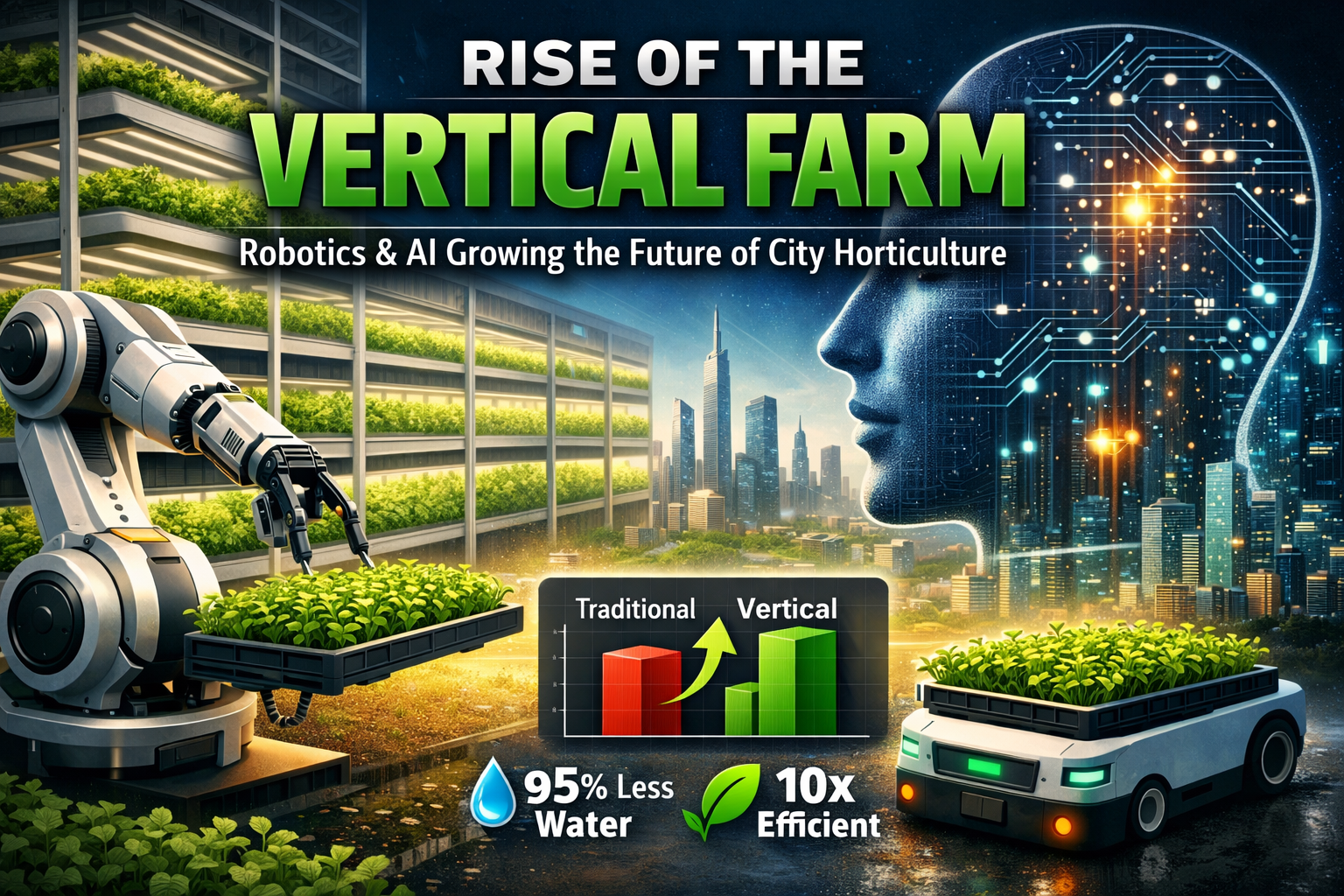
Rise of the Vertical Farm: How Robotics & AI are Engineering the Future of City HorticultureIntroduction: The Green Revolution Goes VerticalBy 2050, nearly 70% of the global population will reside in urban centers. This demographic shift presents a paradox: as cities grow, the land available to feed them shrinks. Traditional “horizontal” agriculture is struggling under the weight of volatile climates and fragile, long-distance supply chains.Enter Vertical Farming. By merging architecture with agronomy and powering it with Artificial Intelligence (AI) and Robotics, we are witnessing a paradigm shift. We are no longer just planting seeds; we are programming harvests.1. The Architecture of Interior GrowthVertical farming isn’t just “shelves with plants.” It is a closed-loop technosphere. Unlike traditional fields, these systems use Hydroponics or Aeroponics—methods that deliver nutrient-rich mist or water directly to roots, bypassing the need for soil.The “Brawn”: Robotics in the FarmIn a high-density vertical stack, human reach is limited. Robotics provide the precision and scale needed to make urban horticulture viable:Automated Seeding & Transplanting: Robotic arms equipped with soft-touch grippers handle delicate seedlings, ensuring a $99%$ success rate in spacing and depth.Selective Harvesting: Using computer vision, robots identify the exact moment of peak nutrient density to harvest, ensuring “perpetual spring” conditions.Autonomous Mobile Robots (AMRs): These units navigate warehouse floors, moving heavy grow-trays to different “climate zones” within the building without human intervention.2. The “Brain”: AI as the Master AgronomistIf robotics provide the labor, AI provides the intelligence. In a vertical farm, every leaf is a data point.Climate Synthesis: AI analyzes real-time sensor data to adjust the “light recipe.” By modulating the blue and red spectrum of LEDs, AI can influence the flavor profile of a plant—making basil spicier or lettuce crunchier.Resource Efficiency: Traditional farming is often a game of “best guesses” with water. AI-driven vertical farms achieve:$$W_{efficiency} = frac{Water_{Traditional}}{Water_{Vertical}} approx 20:1$$This means using 95% less water than conventional methods.Computer Vision (CV): AI-powered cameras detect early signs of stress or leaf discoloration long before the human eye can, preventing crop failure before it starts.3. Data Visualization: The Growth TrajectoryWhile I cannot render a dynamic image file, the following data represents the projected efficiency and market shift between 2024 and 2030.Comparison: Traditional vs. AI-Vertical FarmingMetricTraditional FarmingAI-Vertical FarmingImprovementWater Usage (per kg)~250 Liters~5 – 10 Liters95% ReductionLand Footprint1 Acre1/10th Acre (Stacked)10x EfficiencyPesticide UsageHigh / NecessaryZero (Controlled Env)100% CleanerGrowth Cycle60–90 Days25–40 Days2x FasterSupply Chain1,000+ km< 50 km (Urban)90% Lower Carbon4. The Indian Context: Pune, Mumbai, and BeyondFor a brand like CityMali, the "Rise of the Vertical Farm" isn't just global news—it’s a local solution. Indian cities face unique challenges: high humidity, fluctuating monsoon cycles, and extreme urban density.CityMali’s Strategic Opportunity:Hyper-Local Hubs: Converting underutilized basement parking or warehouse spaces in Pune into "Micro-Farms" for subscription-based greens.The "Smart Terrace": Bridging the gap between hobby gardening and tech by offering AI-assisted nutrient kits for urban households.Resilience: While the heatwaves of May might wither a traditional garden, a vertical system remains a steady $24^{circ}text{C}$, ensuring a consistent supply of premium produce to local B2B partners.5. Navigating the HurdlesWe have to be candid: it’s not all sunshine and LEDs. The Capital Expenditure (CAPEX) remains high. Powering thousands of lights requires a massive energy load, which is why the next frontier for vertical farming is Renewable Energy Integration.As solar efficiency improves and robotic costs drop, the "break-even" point for urban farms is shortening from decades to just a few years.Conclusion: Turning Cities into ProducersThe vertical farm represents the ultimate marriage of biology and technology. We are moving toward a future where our salads are grown three floors above where we eat them, harvested by a robot, and optimized by an algorithm.For CityMali, this is the moment to transition from being a provider of plants to a pioneer of Smart Urban Horticulture. The concrete jungle is about to get a whole lot greener.

Rise of the Vertical Farm: How Robotics & AI are Engineering the Future of City Horticulture

Introduction: The Green Revolution Goes Vertical By 2050, nearly 70% of the global population will reside in urban centres. This demographic shift presents a paradox: as cities grow, the land available to feed them shrinks. Traditional “horizontal” agriculture is struggling under the weight of volatile climates and fragile, long-distance supply chains. Enter Vertical Farming. By […]

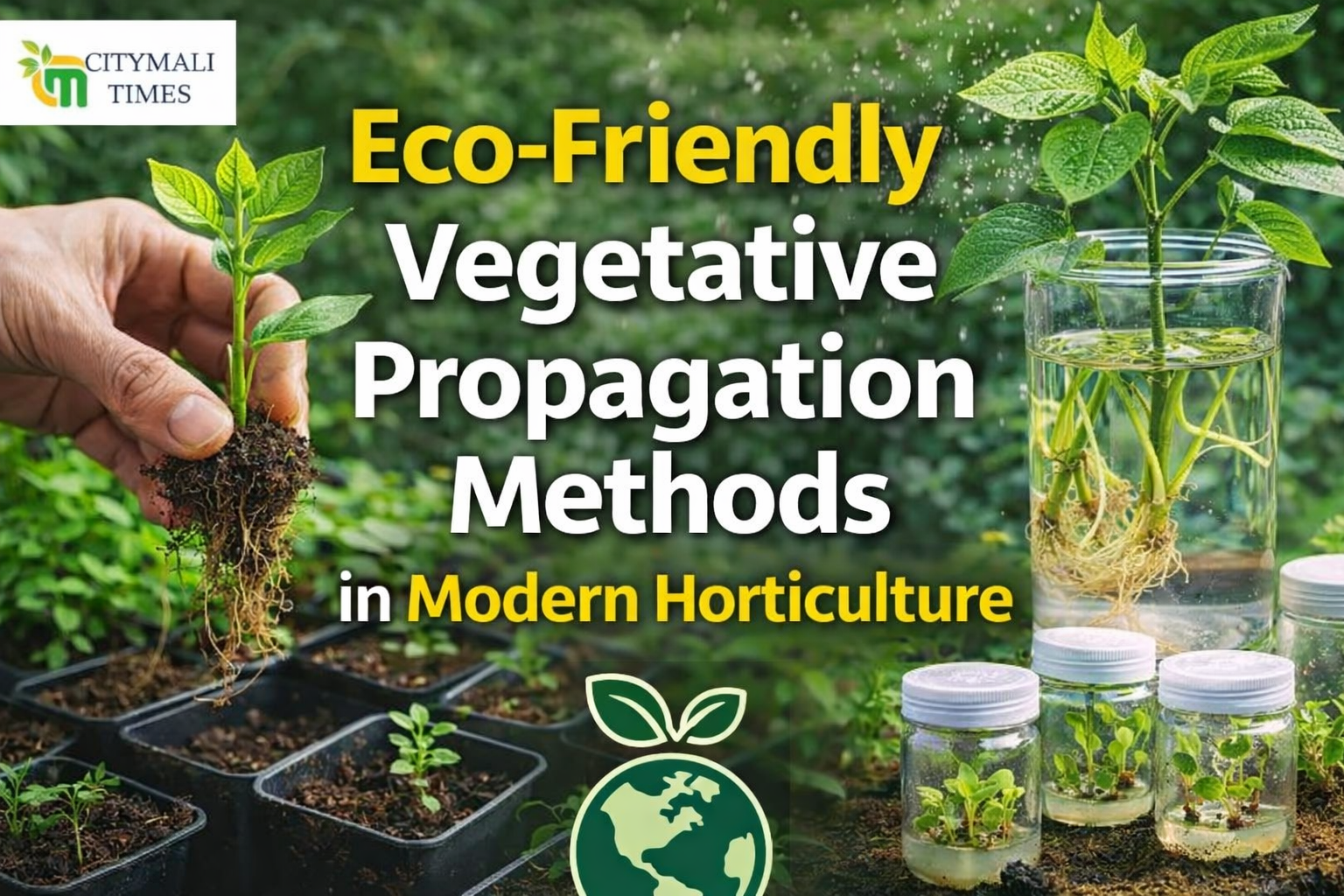
Eco-Friendly Vegetative Propagation Methods in Modern Horticulture

Eco-Friendly Vegetative Propagation Methods in Modern Horticulture

Abstract Asexual or vegetative propagation plays a crucial role in horticultural crop production by enabling the multiplication of true-to-type plants from selected elite varieties. Although sexual propagation is practiced in certain crops, it often results in genetic variability, making asexual methods more suitable for maintaining uniformity and desired traits. Vegetative propagation may occur naturally through […]

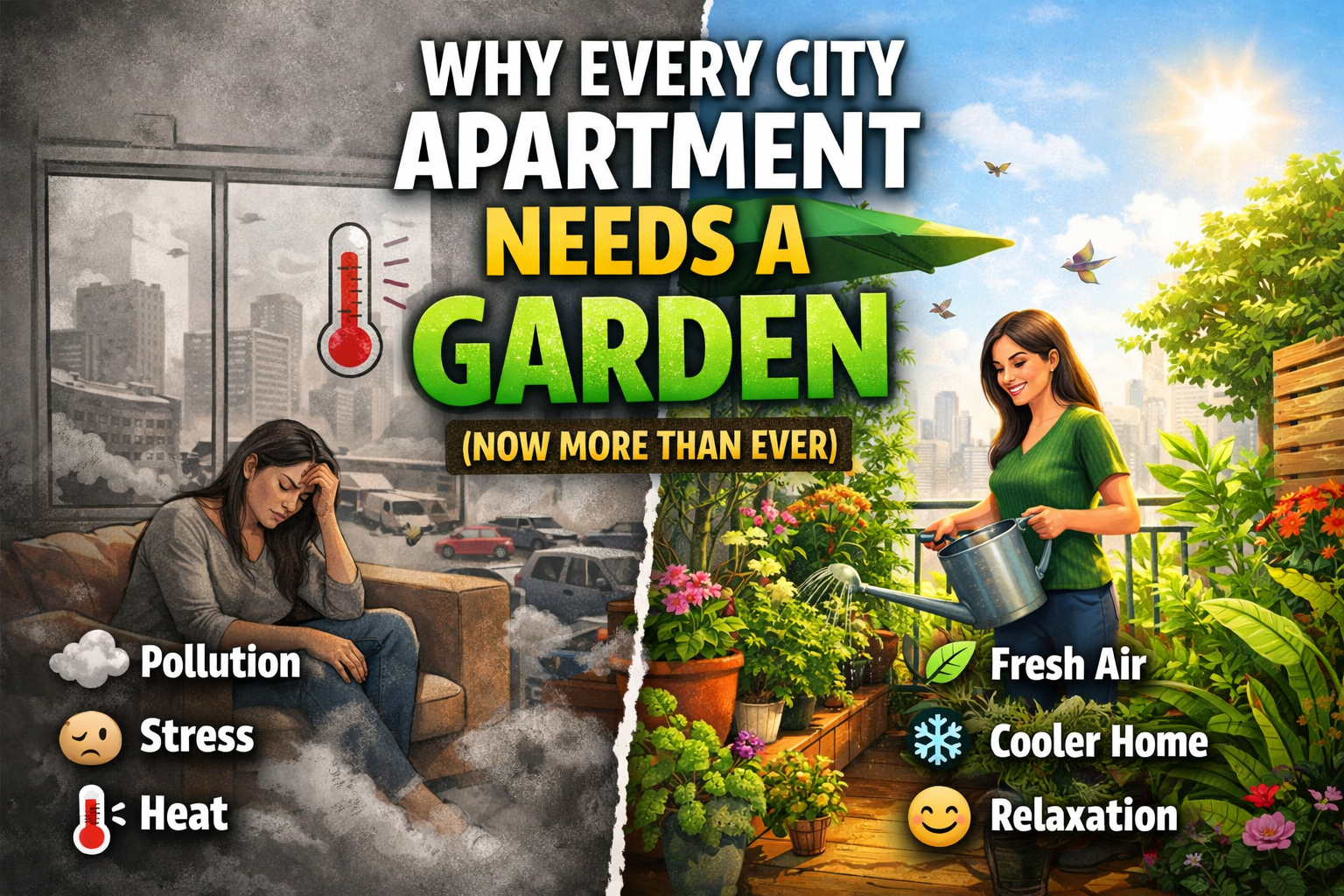
Why Every City Apartment Needs a Garden

Why Every City Apartment Needs a Garden (Now More Than Ever)

Introduction: The Urban Disconnect Problem Modern cities are expanding vertically, not organically. Apartments are becoming smaller, denser, and more detached from nature. The result is a measurable decline in air quality, mental well-being, and micro-climate stability. Urban residents today face a paradox:More infrastructure, but less life. A garden—no matter how small—is no longer a luxury. […]

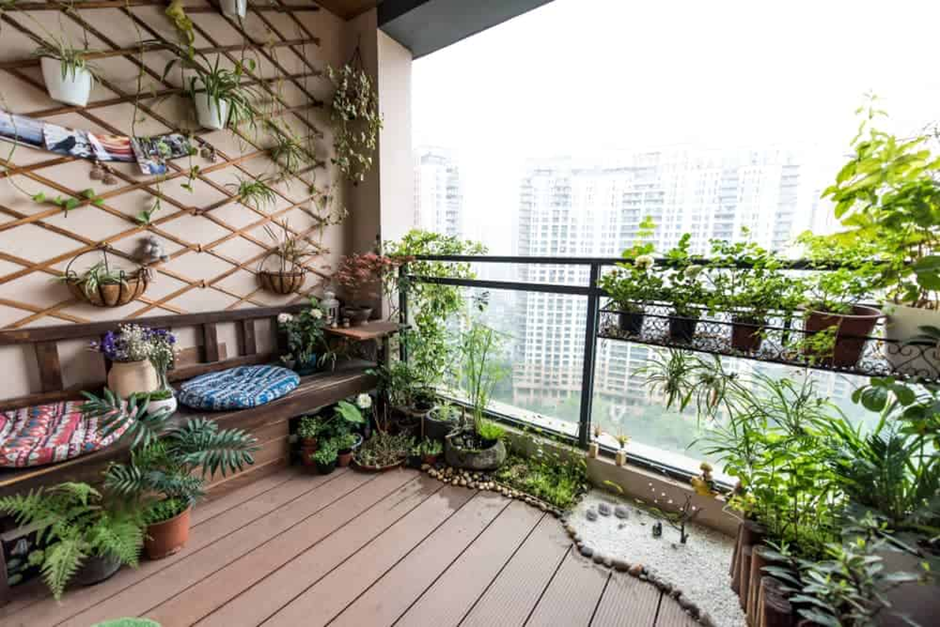
Green leafed plant

The goal of this new editor is to make adding rich content to WordPress simple and enjoyable. This whole post is composed of pieces of content—somewhat similar to LEGO bricks—that you can move around and interact with. Move your cursor around and you’ll notice the different blocks light up with outlines and arrows. Press the […]

1 2